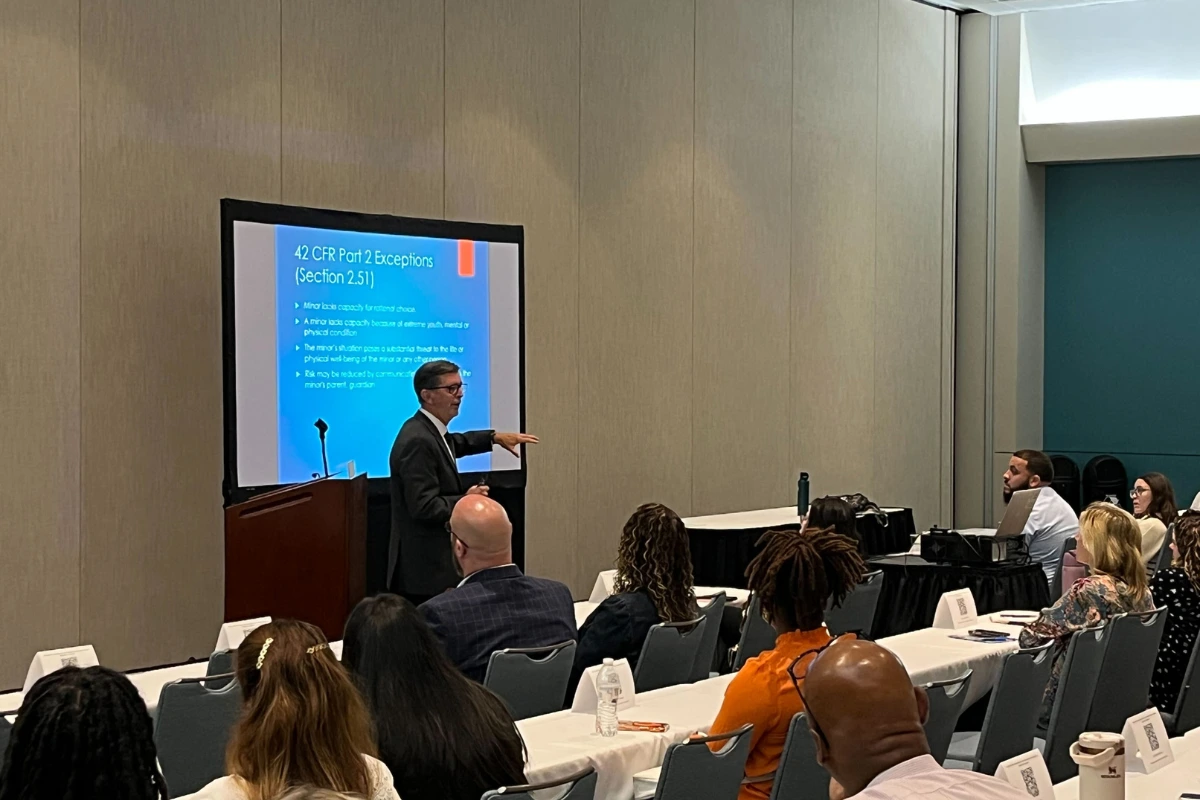
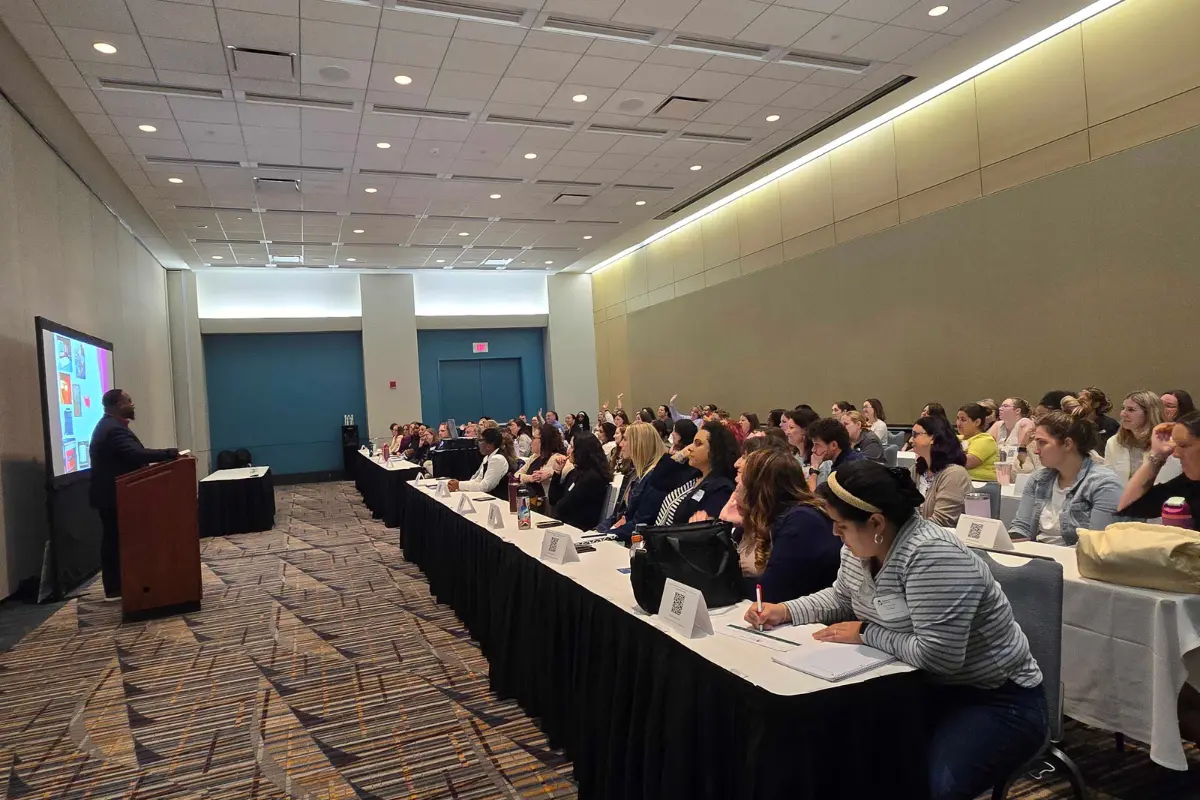
CHDI Hosts Community Data Walk, Exploring Trends in Connecticut's Children's Behavioral Health Data
On Monday, June 29, 2026, CHDI hosted our first-ever Community Data Walk in collaboration with the Children's Behavioral Health Plan Implementation Advisory Board, funded by the Connecticut Department of Children and Families.
Participants—a diverse group of providers, community-based organization staff, state agency staff, family advocates, parents and caregivers, researchers and evaluators, and more—examined the data hosted on the Children's Behavioral Health System Dashboard for Connecticut.
The five categories of data included substance use, workforce, system data, social drivers of health, and depression and suicidality. The event kicked off with a group discussion (ask Aleece & Felicia for slides).
Following was a gallery walk, where participants broke up into five groups, discussed each dataset, and then shared their responses using sticky notes.
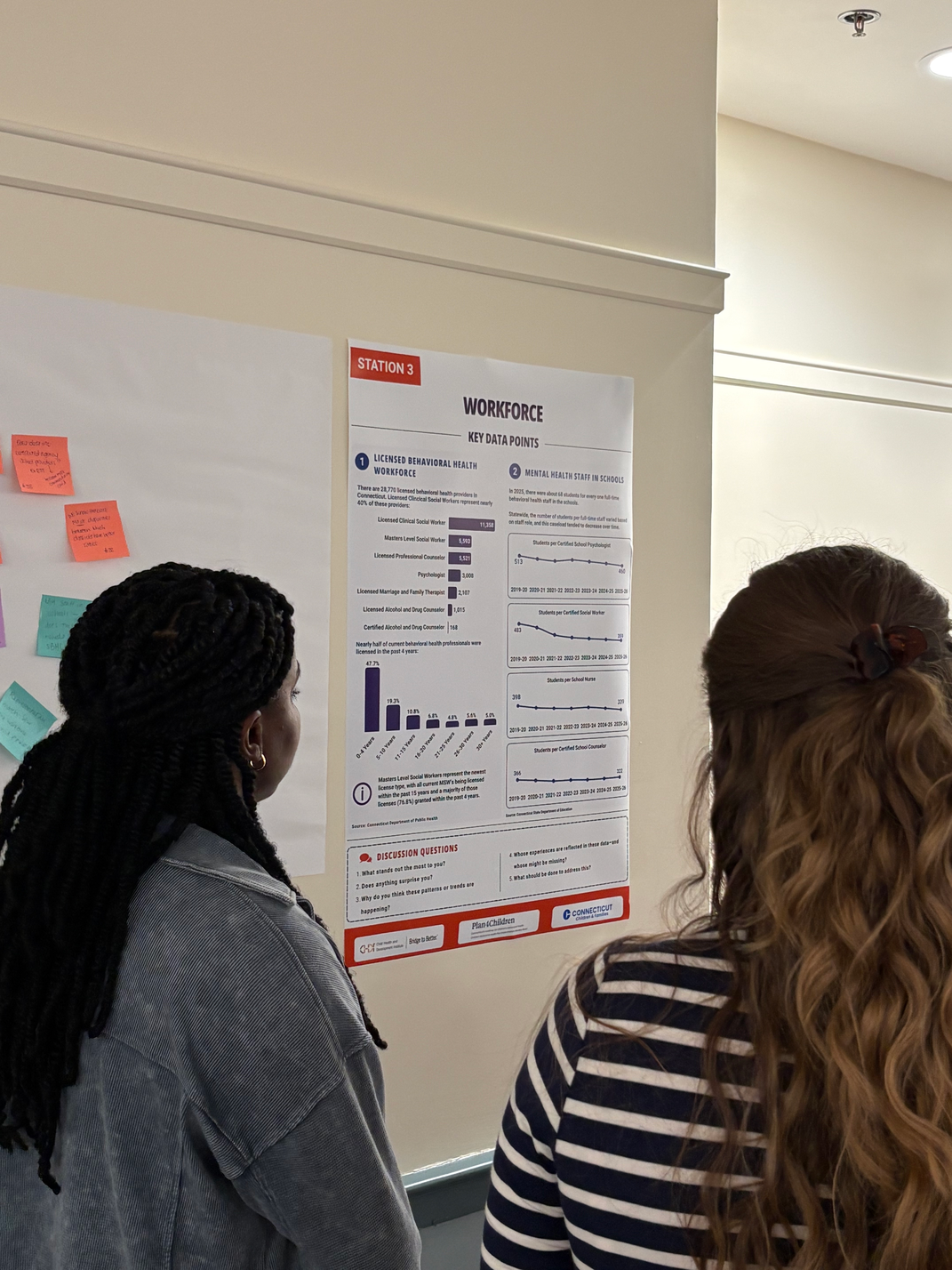
Participants reflect on workforce data.
For nearly two decades, CHDI has collaborated with state and federal partners, providers, and families to improve access to effective behavioral health services for children and youth. As part of this effort—and with funding and support from DCF and CSSD—we have hosted the EBP Conference annually since 2008 to provide training, support, and networking opportunities for clinicians disseminating evidence-based practices across the state. Together, we have developed a workforce in Connecticut that now delivers multiple evidence-based treatments and practices to thousands of children and families each year.
Explore the Data
Breakout session highlights
Conference participants chose from 33 breakout sessions where providers and child-serving professionals enhanced their professional development and earned continuing education credits in a wide range of topics, including:
- Best practices in trauma screening
- Culturally responsive and stigma-free treatment planning and practice
- Effective caregiver interventions and engagement
- Proactive suicide and risk assessments
- Creative strategies to deliver interventions, such as game design, fandom, Disney stories, tabletop roleplaying games, play, and art therapy
- Advancing evidence-based care for special populations, including autistic youth, human trafficking survivors, LGBTQ+ students, students with complex diagnoses, aggressive children and adolescents, adolescents with psychosis, and youth of different races and cultural backgrounds
- The impact of technology on youth and family mental health, including social media
- Interventions and strategies for working with youth with co-occurring substance use and mental health needs
- Guidance for providing effective court testimony
- Many other EBP- and condition-specific workshops
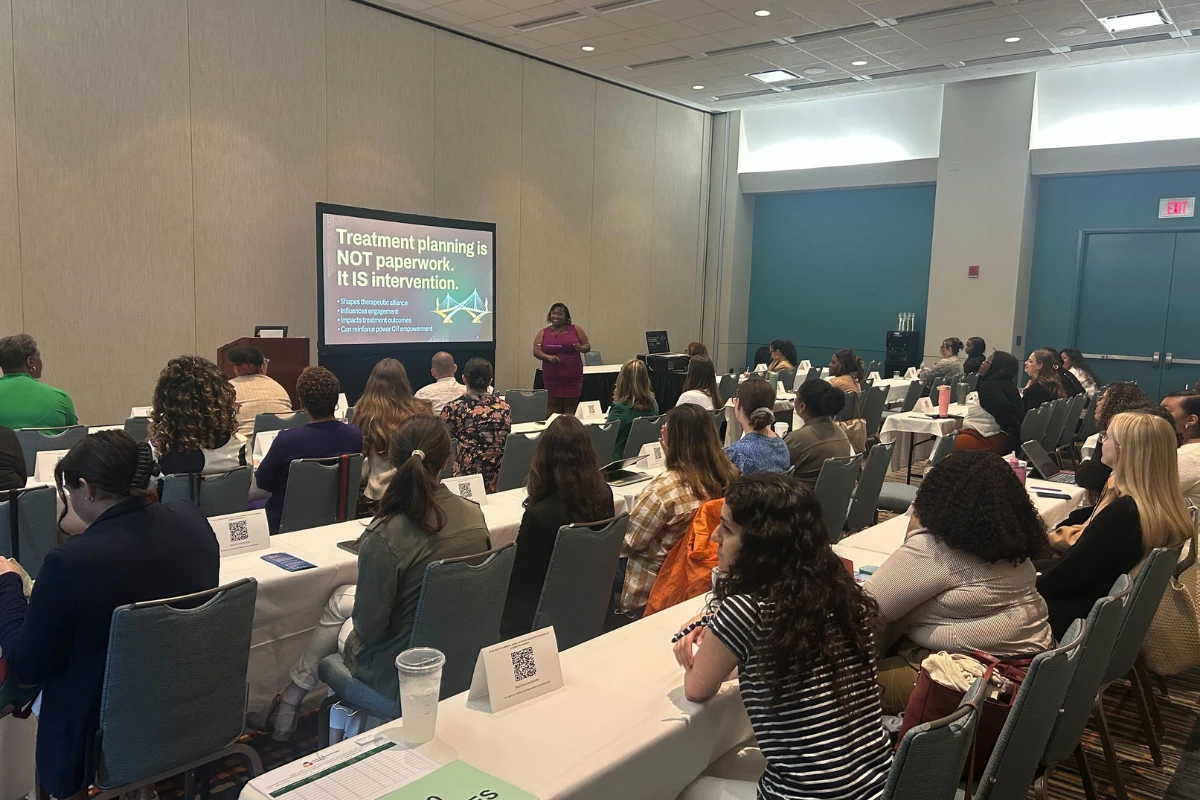
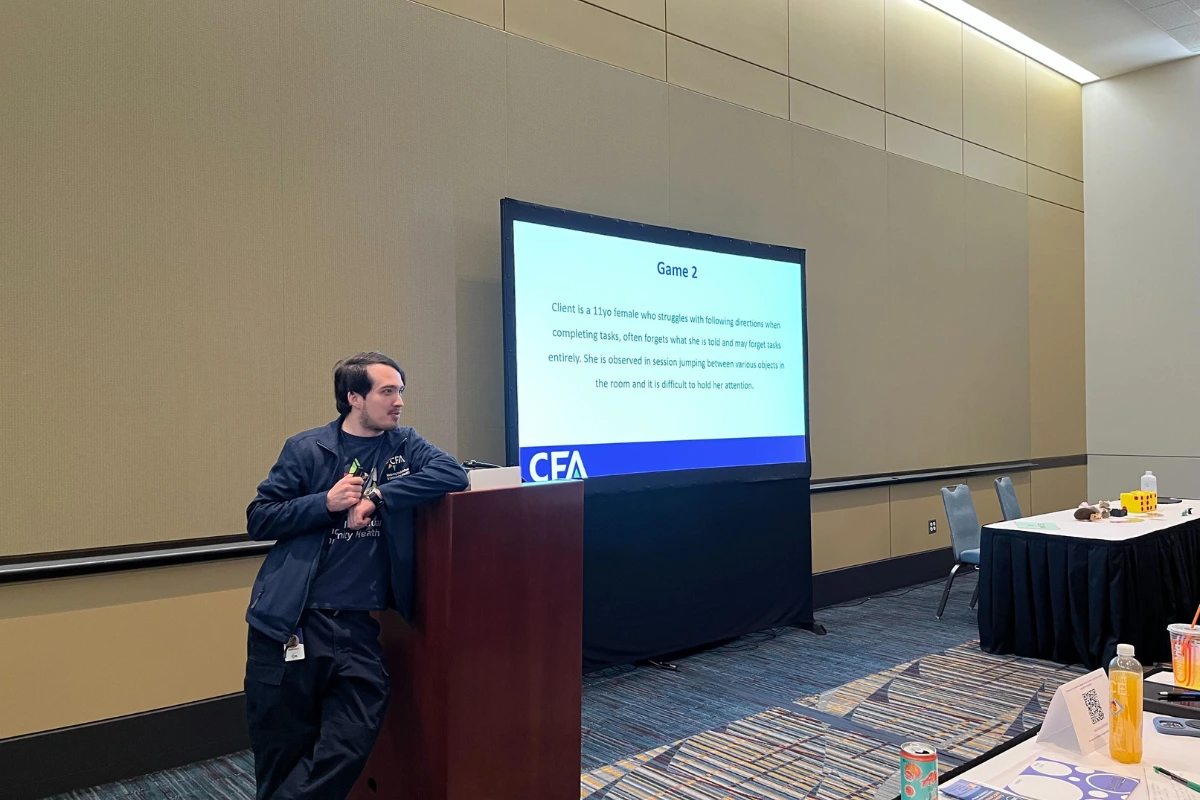
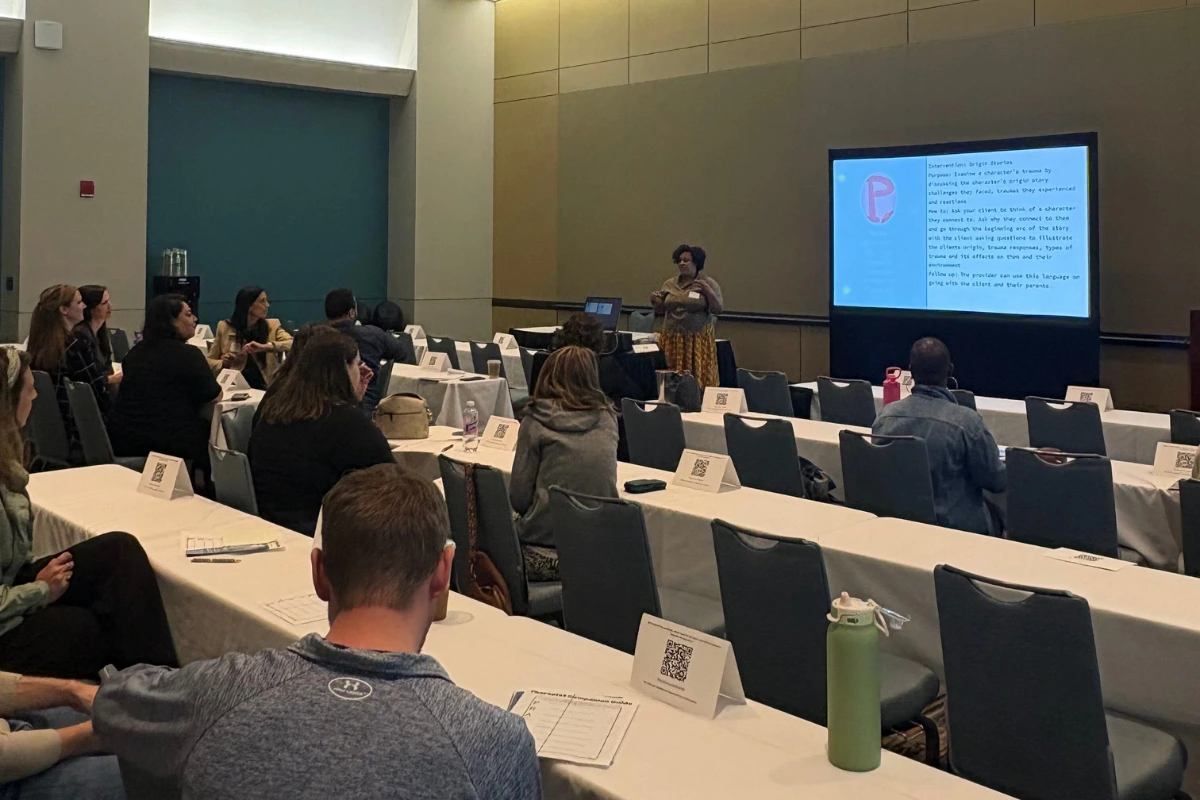
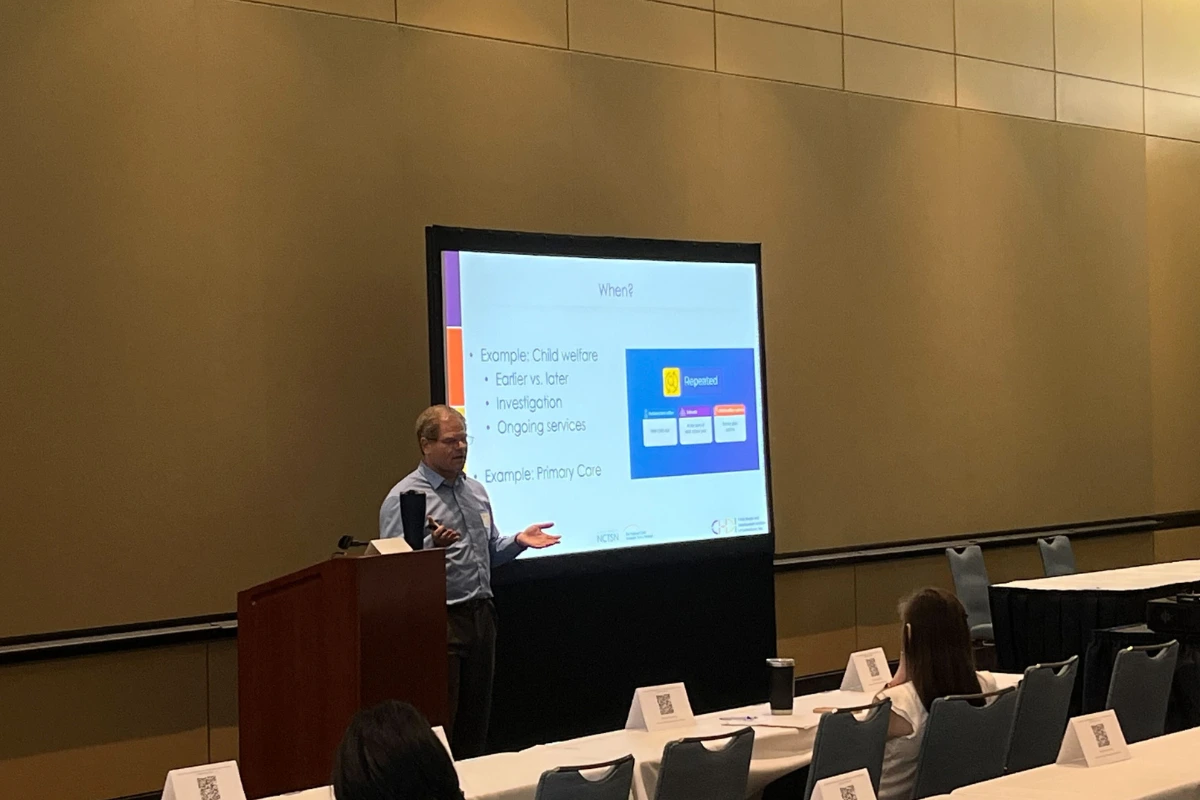
Swipe through the photo album to see some of the day's workshops!